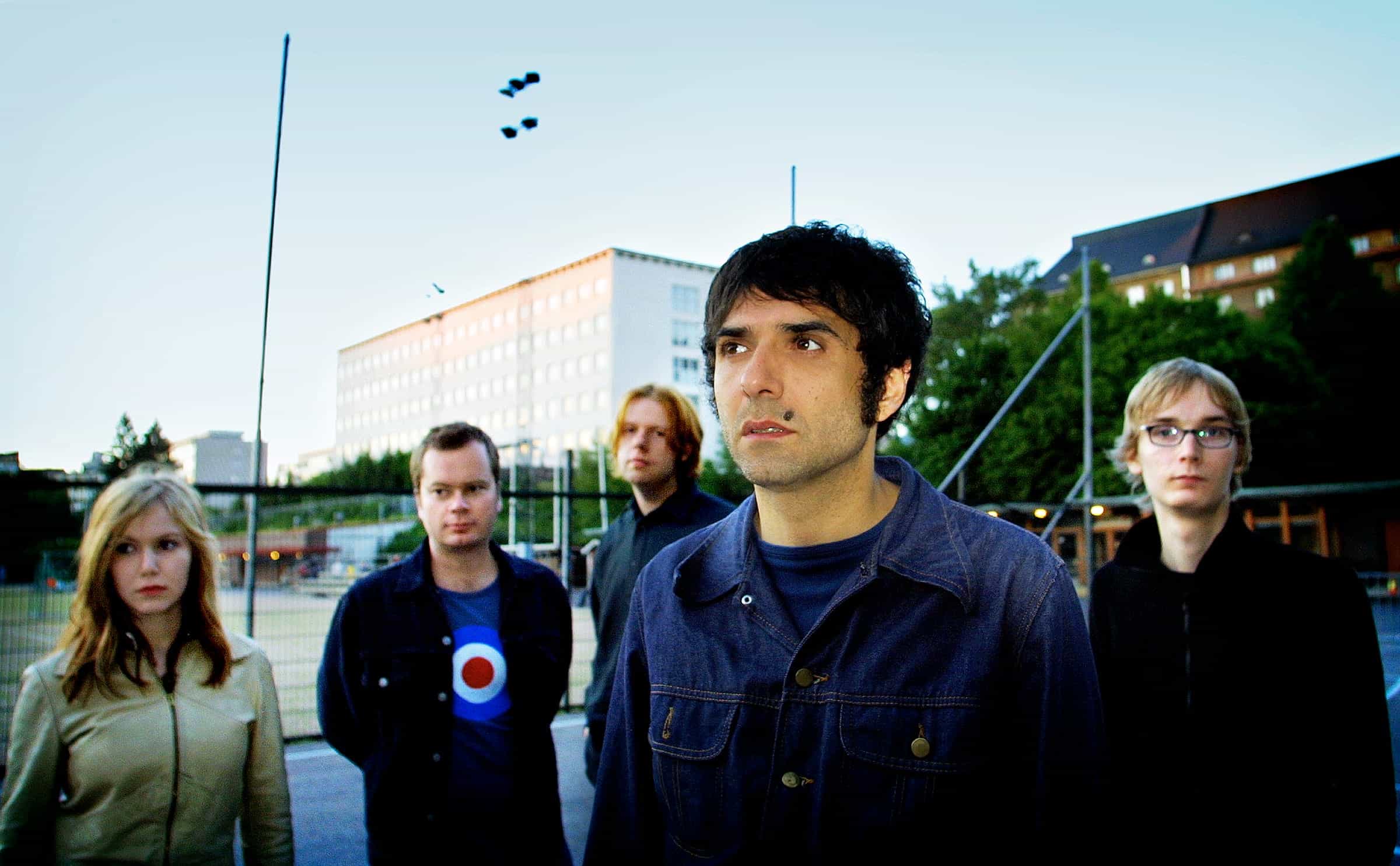
The band · since 2000
Band
1998–1999: The mountain came to Mohammed
UK-born Nick Triani moved to Finland in 1998, following the demise of his former UK-based band Supermodel (Fire Records, Columbia USA). Supermodel were described by the NME as “the Marxist Slade” and by Q Magazine as “delicious”. After three critically acclaimed lo-fi pop albums the band split. Lindsay and Chris went to Nashville, USA, to start the Kid Loco-produced Departure Lounge. Wolsey the guitarist stayed in London, concentrating on film soundtracks. Triani upped roots and moved to Helsinki.
Arriving in Finland he moved straight into producing for the domestic market — something he’d been doing in the UK, but now becoming his profession. Acts Triani has produced include Mummypowder, Giant Robot, Sister Flo, Apulanta, The Rollstons, Astrid Swan, Manboy and Montevideo. His first task was the debut album by Finnish tunesmiths Mummypowder (The Heavyweight Champions, Straightedge Records/WEA, 1999).
Triani hooked up with Janne Lehtinen, lead singer and songwriter with Mummypowder. The two of them started demoing Triani’s songs, meanwhile trying to find like-minded souls to play with. Janne took the drums. Aleksi Pahkala, also main man in The Duplo, played guitar. The bass came from Rami Korhonen, singer in Finnish Britpop band Belmondo.
Twelve songs were hastily recorded on an old 8-track. The debut gig was at the old Jump Inn in the autumn of 1999, hastily followed by a support slot with Come Inside at Tavastia. The twelve songs circulated as It’s Quiet in Here, and Treeball was an ongoing concern.
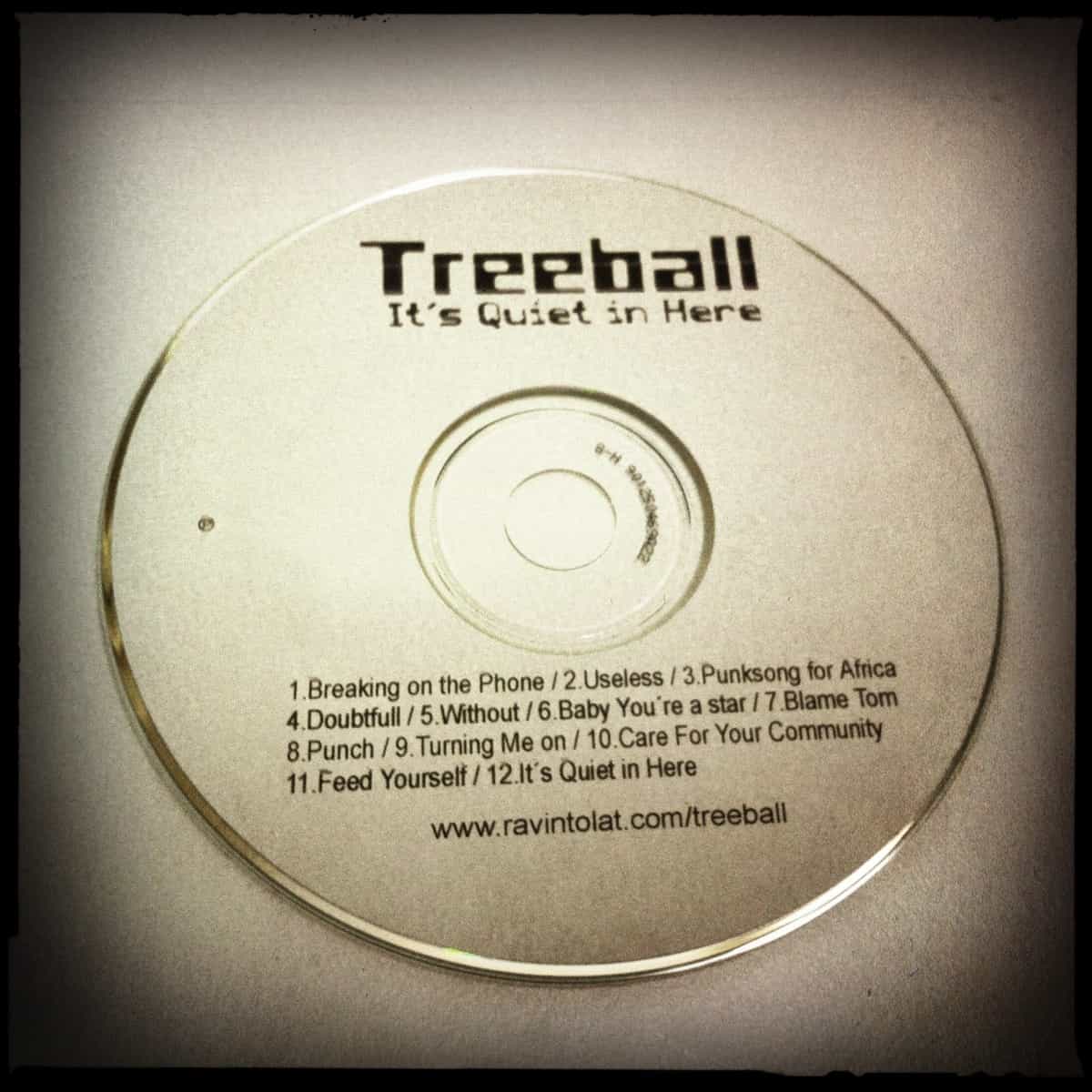
It’s Quiet in Here. The demo, 1999.
1999–2001: Junkyard heroics
By the end of 1999 Triani was writing more and producing more. Whilst working with Come Inside on their second album Fearless (Stupido Records, 2000), he noticed the keyboard skills of Ville Alajuuma, who was soon recruited. Aleksi, concentrating more on his Duplo duties, left the band.
The next line-up went to the studio, Pasi’s place in Malmi, an outskirt of Helsinki, and knocked out 14 songs in five days. They betrayed a new pop sensibility, a move on from the more fucked-up guitar histrionics of the previous line-up. The songs were collectively called Junkyard Heroics and were played to some with an enthusiastic result.
In 2000 Mikael Hakkarainen joined on second guitar. More gigs were set up in the Helsinki area. A couple more songs were recorded. By May 2001 Rami had left, temporarily replaced by Jimi Pääkallo — Jimi Skull — from Finnish rockers Cliche. Then Astrid Swan joined in spring 2001, sharing lead vocals with Triani. The Treeball sound was found.
2001–2002: The Strawberry Blonde School of Class
In September 2001 Treeball recorded and mixed two songs, “Friday Night” and “Bond”, in two days at Hitsville studios in Helsinki. This was the start of the record. It would take another nine days over ten months to finish.
More line-up changes. Mikael left for New Zealand to study recording. Jimi left to start up Cliche again. Former Krispies and Jonna Tervomaa bass player Aleksi Mänttäri joined. Triani on vocals and guitar, Astrid on guitars, keyboards and vocals, Ville on keys, Aleksi on bass, Janne on drums.
Christmas 2001 at Petrax Studios in Hollola: three songs. Markus Nordenstreng popped by and played some cool guitar. More tracks in Helsinki in May 2002, recorded by Jukka Puurula of Don Huonot. Two mixed by Ripa Eskolin of Lemonator, three in Lasse Kurki’s bedroom. The final song, “Titanic”, recorded and mixed in June 2002 at home on Janne’s laptop.
Produced and mostly written by Triani, The Strawberry Blonde School of Class is a collection of duets and pop vignettes with a vicious tongue. Imagine a twisted Gram & Emmylou, a sadistic Lee Hazlewood and Nancy Sinatra, musically recalling the literate music of the Go-Betweens and the Velvet Underground with the more melodic aspects of Pavement and Teenage Fanclub.
It came out on respected Finnish indie label Stupido Records in August 2002. Well received in the Finnish media as a landmark record in its own genre. Treeball had finally arrived.
Treeball recall the crackly trailer-trash radio of the American heartland. Lovely.
Billy Reeves
2002–2003: A Cat Formation of a Mouse
After a series of shows to promote the debut album, keyboardist Ville left the band and was replaced by American guitar player Michael McDonald (Aleksi Ojala, Montevideo), from North Carolina. The definitive line-up of the band.
Treeball quickly recorded a series of new songs. Four of them — three originals and a cover — came out as A Cat Formation of a Mouse, a 7” vinyl-only release on Turku-based indie Rhythm Barrel Records, in October 2003. A rougher sound. If possible.
2004: National Treasure
February 2004 saw the release of Treeball’s second full-length album, National Treasure, again licensed to Stupido Records. Recorded in two weeks, mostly in Nick and Astrid’s living room. Once more it received praise from the Finnish media, and also picked up media and label interest abroad. “Bolivian Adventure” went to number one on the Radio Helsinki Top. The “Monkeys” video, directed by Sam Shingler, was shown on MTV3’s Levyraati.
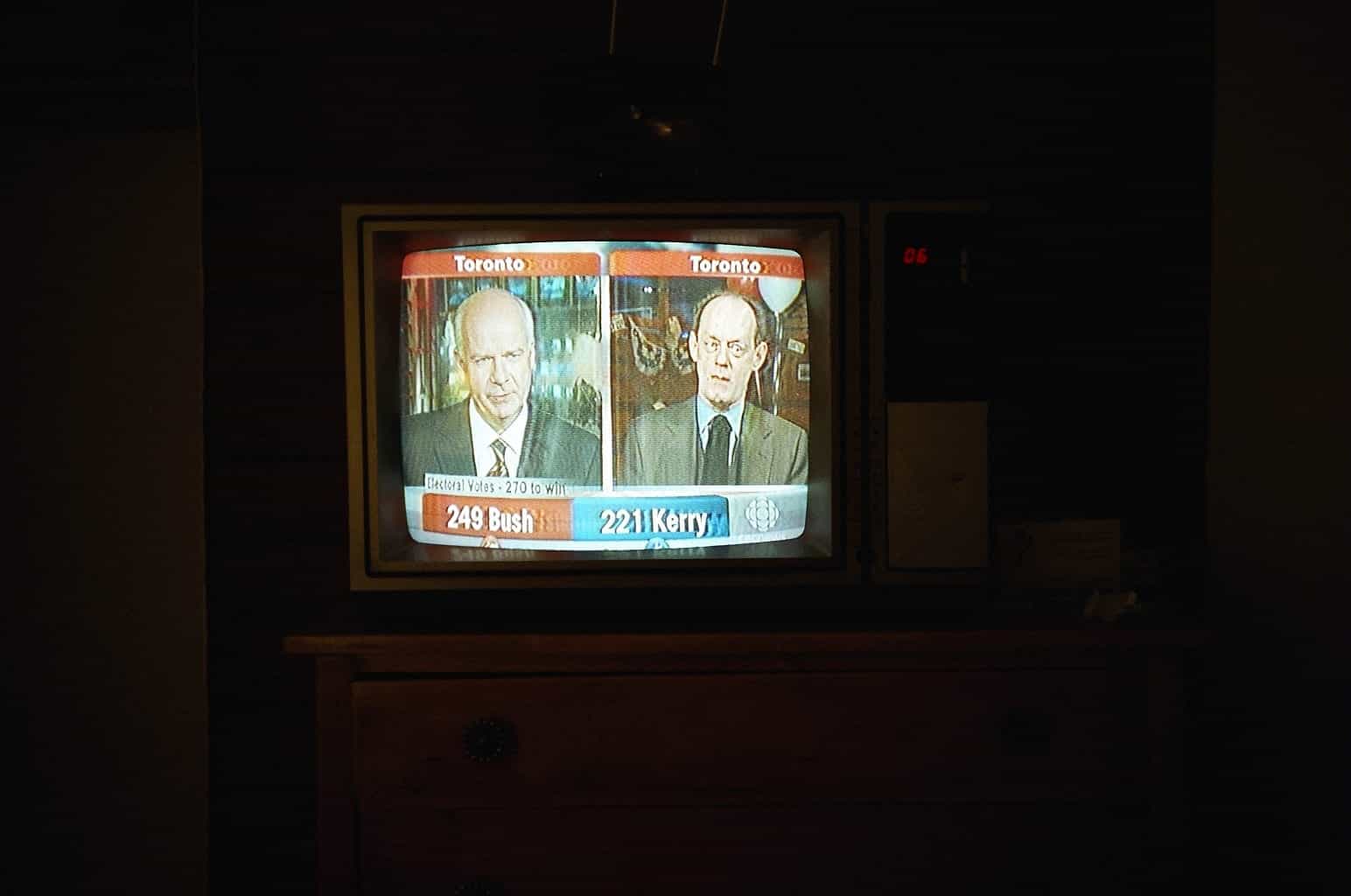
In September 2004 Treeball teamed up with Canadian singer-songwriter Aaron Booth for a joint mini album, IPX4, released through Canadian indie stalwarts Endearing Records (Heavy Blinkers, Julie Doiron). A joint series of concerts followed. Aaron Booth played shows in Finland with Treeball and Mummypowder in September: Helsinki, Tampere, Turku. In October Treeball joined Booth for a Canadian tour: Windsor, Kirkfield, Hamilton, Guelph, Toronto, Ottawa, Montreal.
Since the Canadian trip, a lot more interest. Mostly on the net, where bloggers spread the Treeball gospel.
2005–2006: Liars in Love
In March 2005 Treeball went into Pink Noise Studios, Helsinki, and recorded basic tracks for about twenty songs. Nobody had rehearsed. Instruments were swapped. Overdubs at home, with one microphone, a very old PC and an out-of-tune piano. Twelve songs were finished by November.
2006 saw Treeball return with a new album, Liars in Love, a new record label (Kinkt), and a more expansive approach as to what is the Treeball sound. Liars in Love is inspired by the writings of cult American author Richard Yates; the album title is taken from a Yates short story. More intimate, the album is a loose concept tracing the cracks and ultimate demise of a once loving relationship. Triani and Astrid Swan sing a series of duets, revealing in sometimes whispered trade-offs the sadness of the fictional narratives.
Released on 12 April 2006. Treeball’s most cohesive statement yet.
2006: I Dream of Eclectic Sheep
Then, in November 2006, a second album of the year. I Dream of Eclectic Sheep. Ten songs by four writers: Nick Triani, Astrid Swan, Janne Lehtinen and Michael McDonald. Basic tracks from Pink Noise, April 2005. The rest at home, until June 2006. Released as a free download, with a cover to print.
After 2006
No new music since. No gigs booked at the moment.
“Friday Night” turned up on Stupido’s 20th anniversary compilation in 2009. The “Monkeys” video went on YouTube in 2011. In 2014 The Strawberry Blonde School of Class and National Treasure went to the streaming services. Liars in Love did not.
Nick Triani hosted his show on Radio Helsinki until 2016 and runs the Soliti label. Astrid Swan makes solo records. Michael McDonald makes solo albums; the second, The Last Day, came out in 2016. Janne Lehtinen played bass in Astrid Swan’s band.
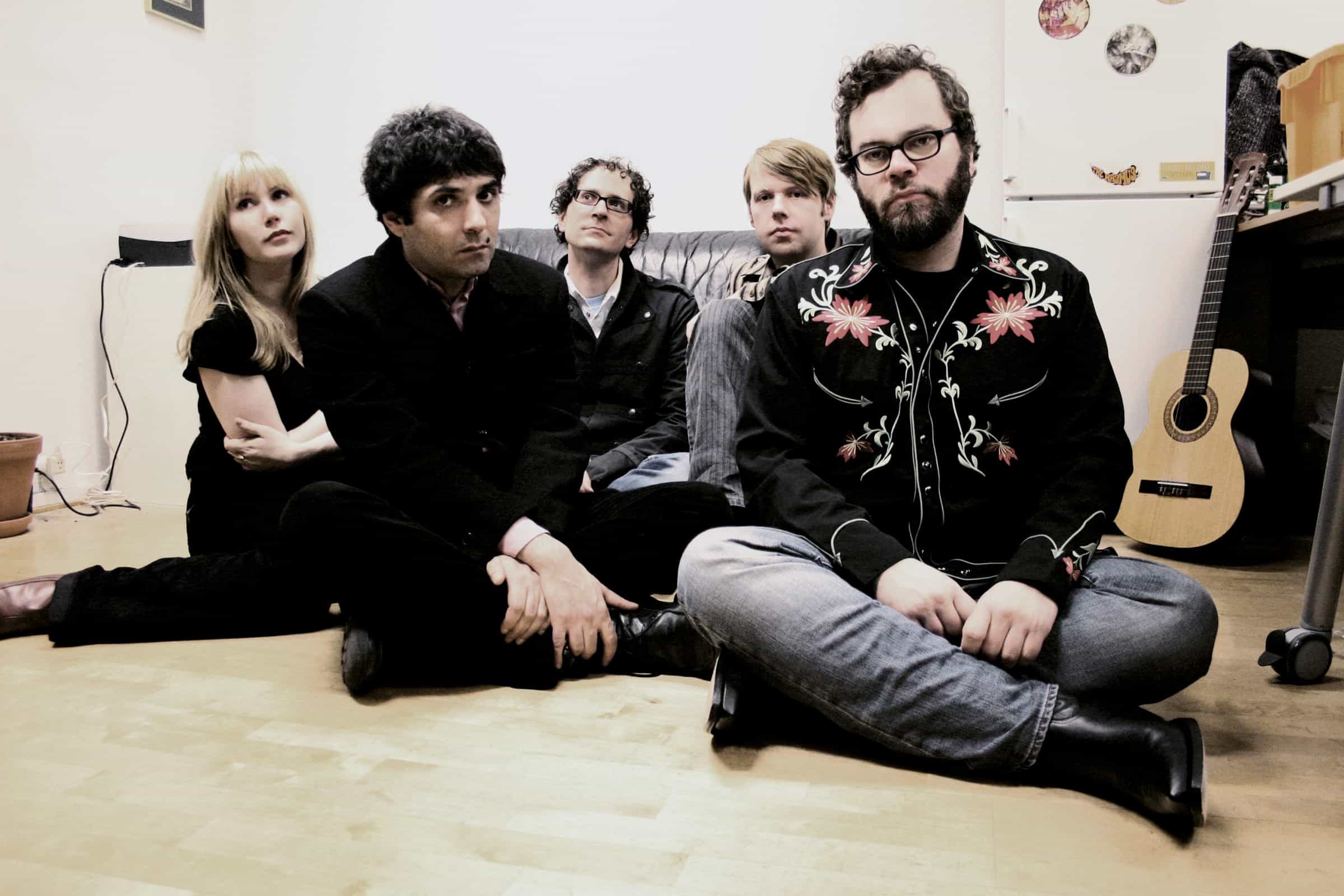
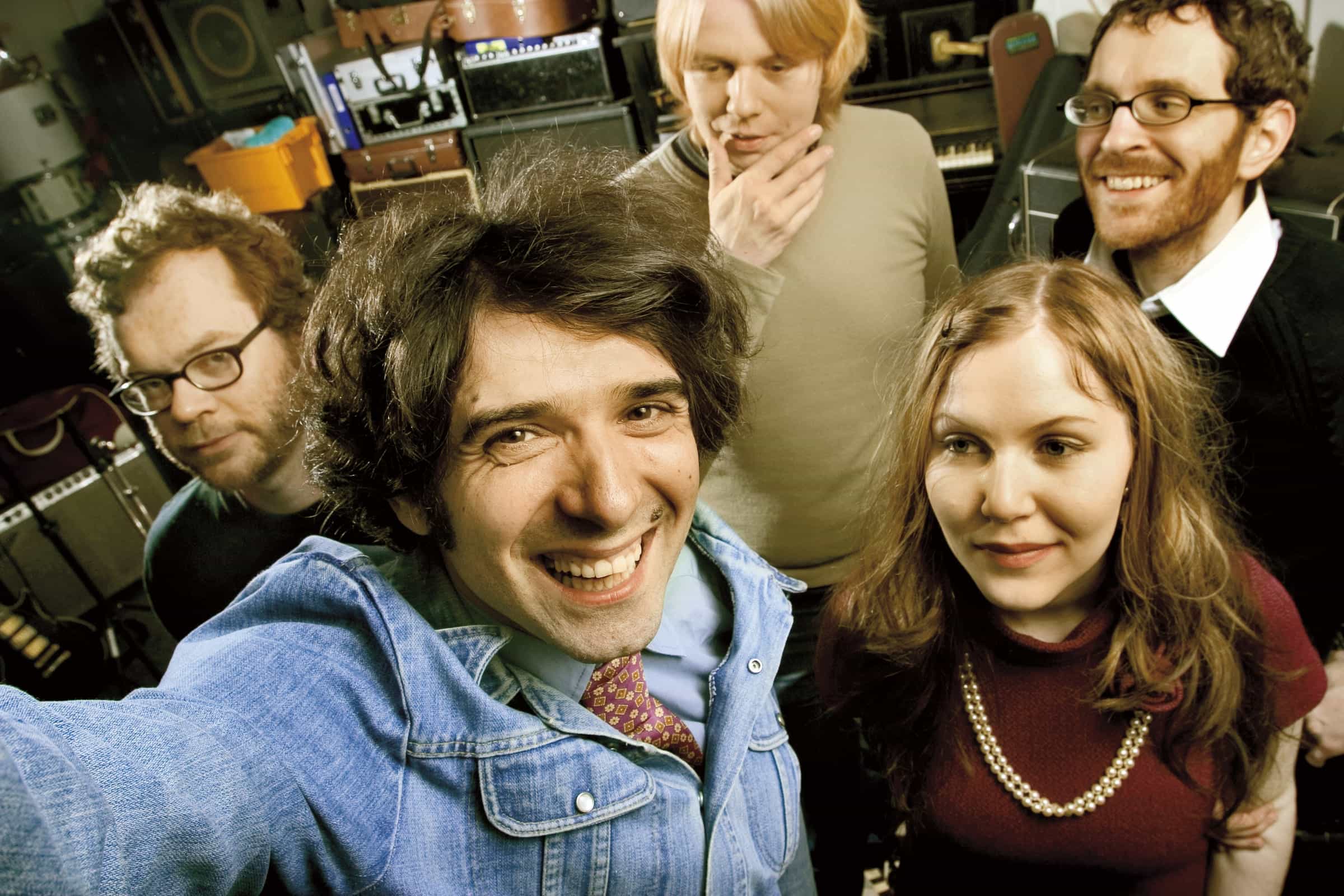
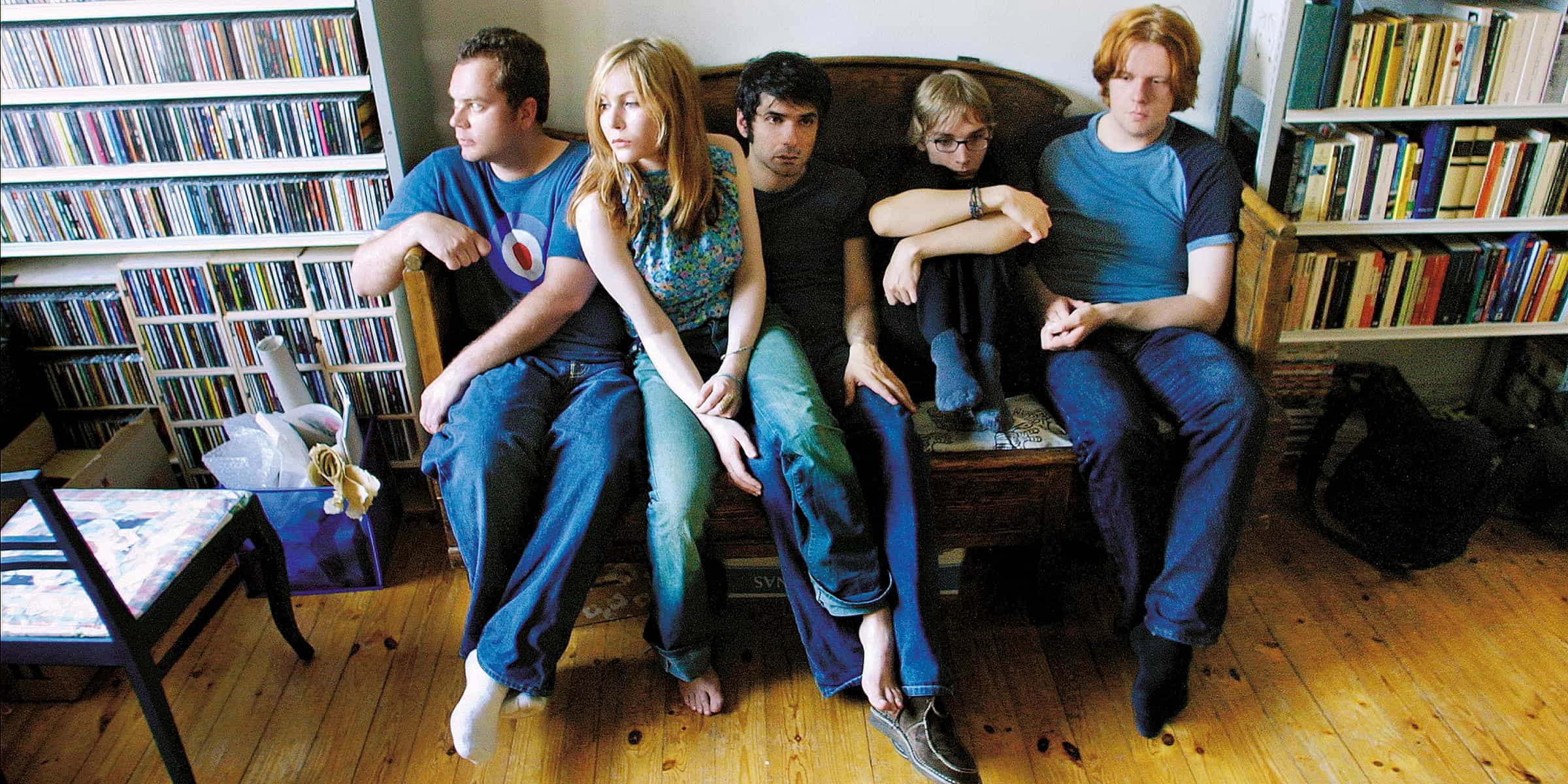
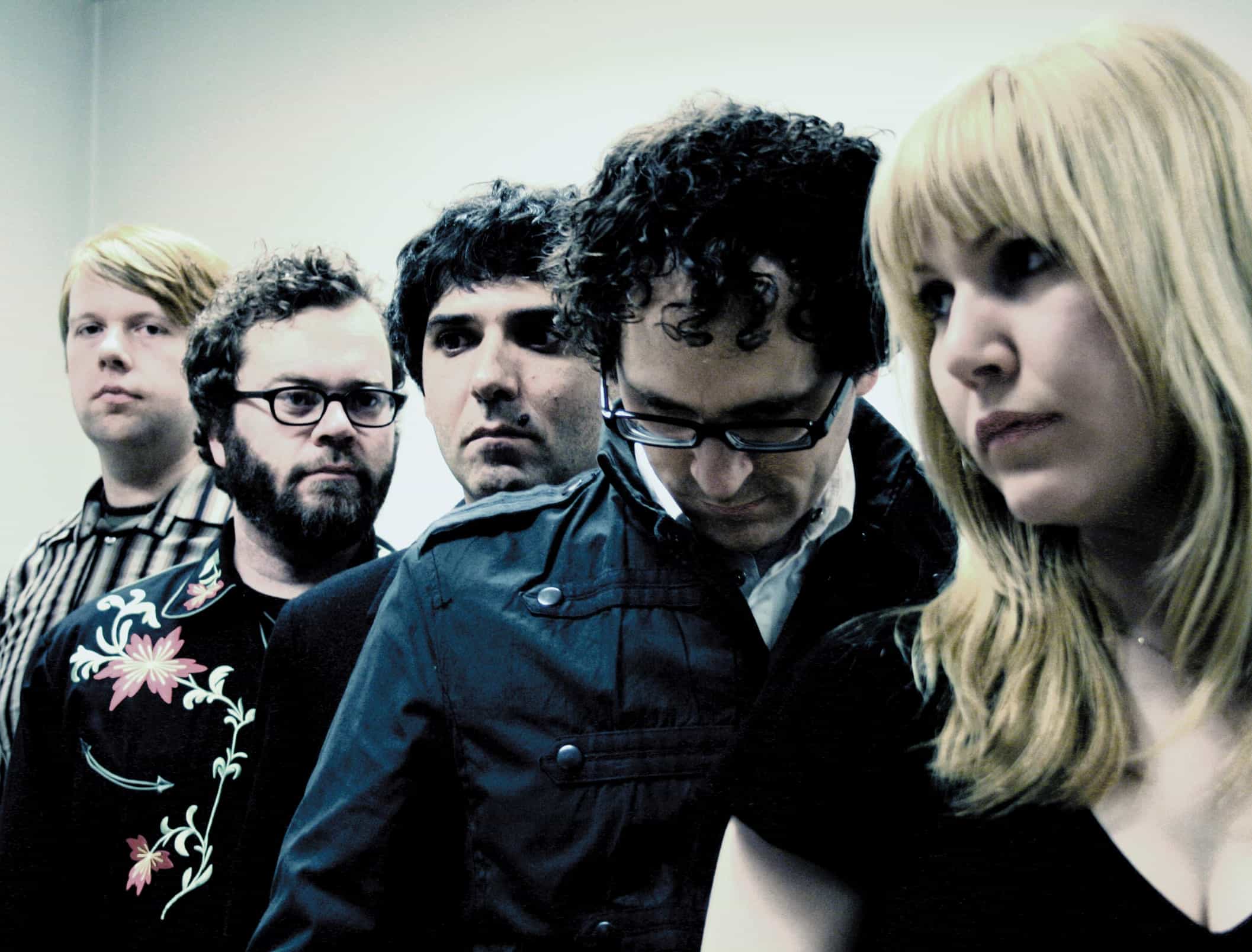
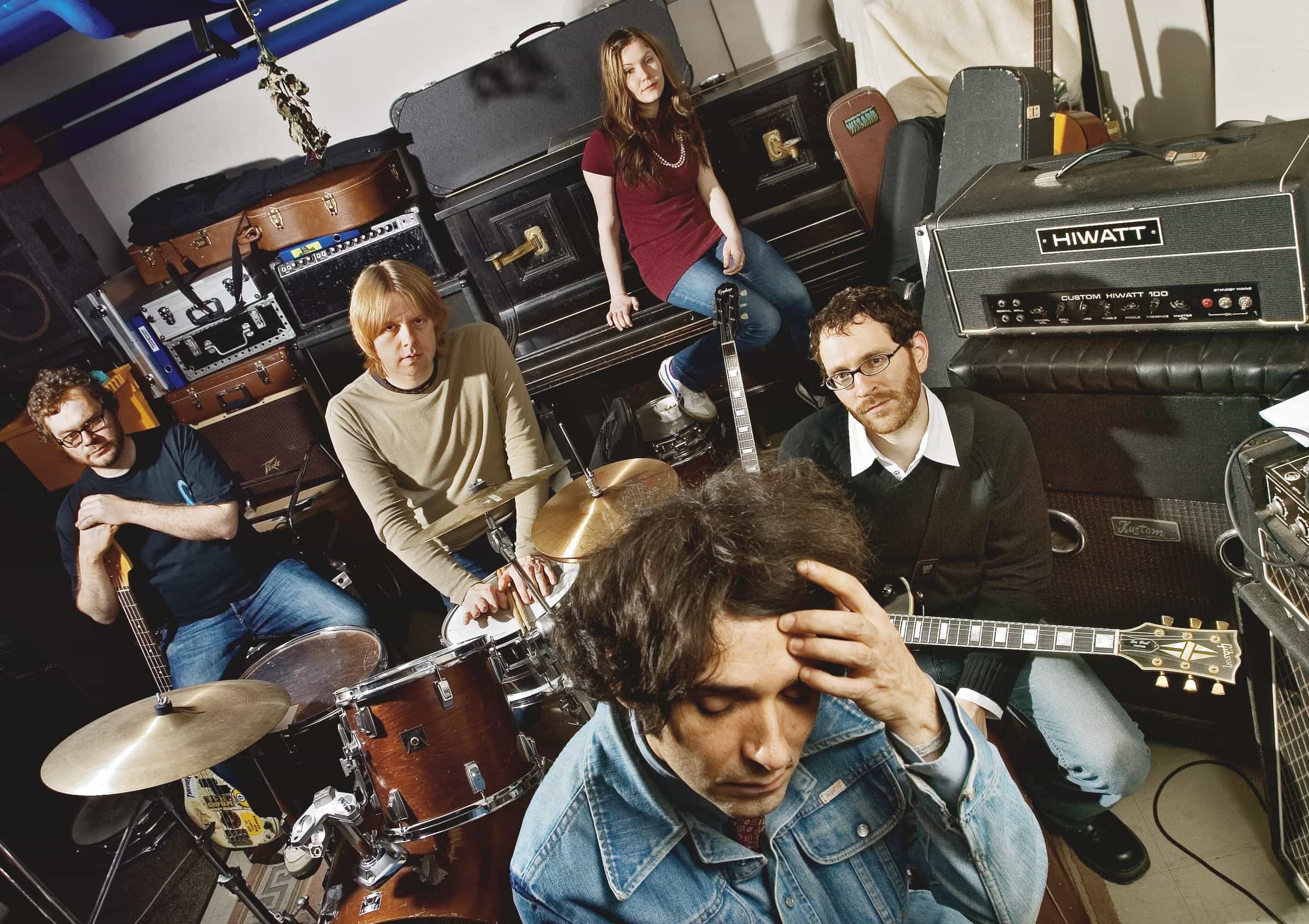
Treeball are: Nick Triani, Astrid Swan, Aleksi Mänttäri, Janne Lehtinen & Michael McDonald.
Yearbook
All photos →